
This post may contain affiliate links. As an Amazon Associate, I earn from qualifying purchases.
Chicken adobo is one of the most iconic Filipino dishes, known for its bold balance of savory soy sauce, tangy vinegar, and aromatics. My Filipino mom’s version is cooked down into a rich sauce that coats to every piece of chicken. It’s simple, deeply flavorful, and the kind of recipe you’ll come back to again and again!
Ingredients and Substitutions
*The Recipe Card below includes all the full measurements for these ingredients!
Chicken: Any bone-in, skin-on, dark meat chicken (thighs, legs, or wings) work perfect. White meat, such as chicken breasts, could also work, though the meat just may not be as tender or moist.
Soy sauce, Vinegar, Brown sugar: The perfect trinity of any adobo is using Filipino soy sauce, cane or coconut vinegar, and some sweetness from the brown sugar. Any all-purpose soy sauce will work, such as Kikkoman (the adobo will be lighter in taste, however) or Chinese light soy sauce. Distilled white or rice vinegar may also work to replace cane/coconut vinegar.
Garlic, black pepper, bay leaf: To provide some aroma and deep flavor to our adobo, these are the standard spices we’ll need.
Instructions
*The Recipe Card below includes all the full detailed instructions!
In a large bowl, marinate the chicken for at least one hour in the soy sauce, vinegar, brown sugar, garlic, bay leaves, and black pepper. For a quicker version, feel free to skip this step and proceed with the recipe.

After marinating, sear the chicken on all sides until browned.

Pour in the remaining marinade and just enough water to cover the chicken. Bring to a boil and let it simmer for 30 minutes.

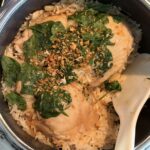
After 30 minutes, turn the heat up to high and begin reducing the adobo sauce until thickened to your desired consistency. Serve with rice and top with sliced green onions. Enjoy!

Cooking Tips
Sear your chicken: Searing initiates the Maillard reaction, causing browning to occur and maximizing flavor on the outside of the chicken. It also firms up the chicken slightly, keeping the chicken from falling apart too much in the sauce.
Reduce your sauce: After simmering, turn up the heat to boil and reduce the sauce until it becomes thick in consistency. This concentrates the simmering liquid into a deep, sticky, and luxurious sauce that’s perfect over rice.
Serve the next day: Adobo is always at its best the next day since it allows the sauce to deeply penetrate the chicken and to concentrate its flavors further.
What I usually do is cook my adobo the day before I plan to serve it. I reduce the sauce to just about a half (not enough to be a thick glaze), and then I let it sleep in the fridge overnight. When time to serve, I place the pot back on the heat and finish reducing the sauce to my desired consistency.
FAQs (Frequently Asked Questions)
How do I store leftovers?
Leftover chicken adobo can keep for up to 5 days refrigerated in an airtight container (it will actually continue to taste better over time as the marinade penetrates the chicken). To reheat, simply warm in the microwave or over stovetop until fully warmed-through. You can also freeze this for up to 2 months. To reheat, let the adobo thaw in the refrigerator overnight and then warm over the stove until hot.
Do I have to marinate the chicken?
Some will swear by marinating your chicken overnight, while others may skip it entirely The reason for marinating is that the sauce’s acidity helps to tenderize the chicken while also flavoring it throughout. I personally find the difference between the marinated and non-marinated version very minimal, so choose whichever method you prefer. They’ll both taste great either way!

Why isn’t my sauce thickening or reducing?
Your sauce will thicken, it just needs time. Depending on the size of your pan, the power of your stove, or how much water you added to your adobo can affect the reducing time. Smaller pans, weaker stoves, and/or adding too much water than needed will lengthen the amount of time it takes for the sauce to reduce. Just keep boiling, it will thicken eventually!
How do I serve chicken adobo?
Serve it classic with a side of warm rice to soak up all of that saucy goodness. You may also pair it with fresh or pickled veggies to brighten up your whole dish if you prefer.
Are there other types of adobo?
Yes! I’ve made a couple adobo recipes already on this site, from pork belly adobo, adobo fried rice, coconut chicken adobo, and string bean adobo. Try them out, and let me know which one is your favorite!

Chicken Adobo
4
servings1
hour45
minutes1
hour45
minutesChicken adobo is one of the most iconic Filipino dishes, known for its bold balance of savory soy sauce, tangy vinegar, and aromatics. My Filipino mom’s version is cooked down into a rich sauce that coats to every piece of chicken. It’s simple, deeply flavorful, and the kind of recipe you’ll come back to again and again!
Keep the screen of your device on
Ingredients
2 -3 lbs bone-in, skin-on chicken thighs
1/3 cup soy sauce
1/4 cup white vinegar (cane or coconut vinegar preferred)
2.5 tbsp brown sugar
1 teaspoon whole black peppercorns (or 1/2 tsp ground black pepper)
3 garlic cloves, smashed
2 bay leaves
Water , just enough to cover the chicken
1 green onion, for garnish
Directions
- In a large bowl, combine together the soy sauce, vinegar, brown sugar, garlic, bay leaves, and peppercorns. Gently stir to combine.
- Add in the chicken. Be sure they’re evenly submerged and covered in the adobo marinade. Let the chicken marinate for at least one hour.
*For a quicker version that you can prepare in just under an hour, feel free to skip the marinating step and proceed with the recipe. - After marinating, gently pat the chicken pieces dry to remove excess liquid. Sear the chicken on all sides over medium-high heat until the chicken develops a deep, golden brown colour.
- Pour in the rest of the remaining marinade and just enough water to just cover the chicken. Bring to a boil, scoop off any scum that float to the surface, and let it simmer with a lid over medium-low heat for 30 minutes.
- After 30 minutes, remove the lid. Turn the heat up to high and begin reducing the adobo sauce until thickened to your desired consistency. Occasionally baste the chicken with the adobo sauce.
- Serve with a side of white rice and top with sliced green onions (you may also choose to serve and reheat the next day to allow the flavors to develop further).
This post may contain affiliate links. As an Amazon Associate, I earn from qualifying purchases.






Pingback: Sinangag (Filipino Garlic Fried Rice) | Iankewks
Pingback: Dynamite Lumpia | Iankewks
Pingback: Hong Shao Rou (Red Braised Pork Belly) | Iankewks
Pingback: Mongolian Chicken | Iankewks
Pingback: Khao Soi (Thai Curry Noodle Soup) | Iankewks
Pingback: Pork Adobo (adobong baboy) | Iankewks
Pingback: Thai Chicken Satay | Iankewks
Pingback: Bicol Express | Iankewks
The best overview, prep steps and options I have come across! I’ve looked at several recipes getting ready to try this for upcoming family dinner, thinking of using boneless skinless thighs, cooking a day ahead and refrigerating overnight. Had already thought about just reducing sauce by half and finishing to glaze consistency just before serving ( excellent idea!) thanks for confirming this approach. Thank you!
You’re welcome, Dawn! Enjoy the recipe 🙂